
 Wibbo
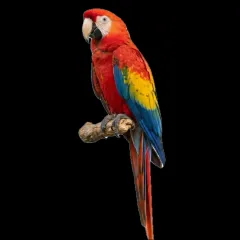
When toddlers learn colors.
Later than most parents expect, and in two steps. The CDC'schecklist for 30 months says most children show they know at least one color, "like pointing to a red crayon when you ask, 'Which one is red?'" That is one color, by pointing, at two and a half.
Saying the names comes after. The CDC'schecklist for four year olds lists "names a few colors of items." The American Academy of Pediatrics describes the same path: a childbegins to sort by shapes and colors by age two,correctly names some colors between three and four, andnames at least four between four and five.
Put together, these lists mention sorting first, then pointing, then naming. A toddler who calls everything "blue" is somewhere along the way. Every child moves at their own pace.
Why colors take a while.
A ball is a thing your child can hold. Red is not a thing. It is something about the ball, and about the apple, and about one sock but not the other. Your child has to work out which part of "red ball" is the red part.
That is why naming the thing first helps. "The ball is red" starts with a word your child already knows, then adds the new one. And it is why two things that match in everything except color, like two cups from the same set, make the idea easier to see.
Five minutes, inside a normal day.
Colors are already everywhere, so there is nothing to set up. These are the habits that fit:
- Sort before you name. Socks into piles, blocks into bowls. "Can you find another one like this?" needs no color words at all, and sorting comes first.
- One color for a few days. Pick red. Notice red things at breakfast, on the walk, in the bath. Then move on to another color.
- Say the thing, then the color. "Your cup is yellow." "That truck is green." Short, and about something your child is already looking at.
- Ask them to point, not to name. "Which one is red?" is the question the CDC uses, and it is easier than "What color is this?"
- Give a choice. "Do you want the blue cup or the green cup?" Your child hears both words and gets something for choosing.
Stop while it is still fun. If your child points to the wrong one, name what they picked and carry on: "That one is green. Here is the red one." The American Speech-Language-Hearing Association'stips for two to three year olds add: describe how things look, and "use words that describe color, shape, and size."
The first 11 colors.
These are the everyday colors we start with in Wibbo. There is no fixed order, so begin with the ones your child sees most: a favorite cup, a coat, the family car. The56 printable color cards start with these and go on to the fancier ones, like teal and lavender, for later. Free to print, no sign-up.
- Red
- Orange
- Yellow
- Green
- Blue
- Purple
- Pink
- Brown
- Black
- White
- Gray
For how to use cards without turning them into a quiz, seehow to use flash cards with toddlers.
What not to worry about.
Calling every color by one favorite name is normal. So is mixing up blue and green, or knowing red on Monday and not on Tuesday. Pointing to the right crayon without being able to say the word is normal too. It is the step before naming.
If you have questions about how your child sees or learns colors, your pediatrician is the right person to ask. Nothing on this page is medical advice.


