
 Wibbo
When toddlers start making animal sounds.
There is no official age for "moo." The milestone checklists linked on this page, from the CDC and the American Speech-Language-Hearing Association (ASHA), do not list animal sounds as a milestone. What they do say gives a helpful frame.
You can start early. ASHA'stips for the first year include "Teach animal sounds, like 'A cow says moo.'" First words follow soon after. The CDC'schecklist for 15 months says most children try to say one or two words besides "mama" or "dada," like "da" for dog.
Between19 and 24 months, ASHA says a child uses and understands at least 50 different words "for food, toys, animals, and body parts." Animals are on that short list by name. Every child moves at their own pace.
Why moo often comes before cow.
"Moo" is one easy sound, and it sounds like the thing it means. "Cow" does not. So a sound word gives a small child a way to talk about an animal before they can manage its name.
There is no need to correct it. Say both together, "Moo. The cow says moo," and your child will keep the name when they are ready. Ouranimal sounds game page goes into the research on why sound words turn up so early.
Six easy ways to teach animal sounds.
- Say the sound and the name together. "Woof. The dog says woof." ASHA'stips for 13 to 18 months use almost the same line on a walk: "I see a dog. The dog says 'woof.'"
- Pause and wait. "The cow says..." and then count to three in your head. The quiet gap is the invitation.
- Use real animals when you can. The dog next door, ducks at the pond, a cat on a wall. A real animal making a real sound is the best lesson there is.
- Read animal books. Point to the picture, make the sound, and let your child turn the page.
- Play with toy animals. Bath animals and farm sets give each sound a thing to hold.
- Sing the farm songs. Any song with a new animal in each verse gives your child a turn to fill in the sound.
Stop while it is still fun, and be as silly as you like. A loud, happy "ROAR" from a grown-up is worth ten quiet ones.
10 sounds to start with.
Start with the animals your child actually meets: a pet, a neighbor's dog, the ones in a favorite book. Each animal below is in the40 printable animal cards, shown as a real photograph. Free to print, no sign-up.
- Cowmoo
- Dogwoof
- Catmeow
- Sheepbaa
- Pigoink
- Horseneigh
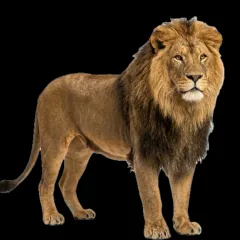
- Lionroar
- Frogribbit
- Snakehiss
- Donkeyhee-haw
A guess-the-sound game.
Once your child knows a few sounds, turn it around: make the sound and let them find the animal. Hide three toy animals under a blanket, say "Who says baa?", and let them pull out the sheep.
Wibbo has the same game, called Listen!A real animal sound plays. Your child picks who made it from four photographs. The sounds are recordings of the animals themselves, not a person saying "moo." Theanimal sounds game page shows how it works.
What not to worry about.
Using "woof" for every animal with four legs is normal. So is saying the sound and not the name for a good while. A child who listens and points but does not make the sounds yet is still learning them.
If you have questions about how your child's speech is coming along, ourfirst words guide covers what is typical, and your pediatrician is always the right person to ask. Nothing on this page is medical advice.


