
 Wibbo
Where to start.
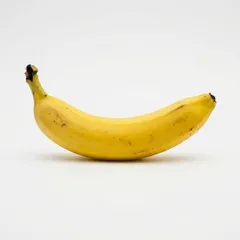
Start with words for things your child can see, hold or eat. Dog, banana, shoe, bus. Then add doing words like jump and eat. Words that describe, like big, red or sad, we put last, because they need a thing to describe.
You do not have to go in order, and you do not have to finish a topic. Follow what your child likes. A child who loves trucks may learn ten truck words before one color, and that is fine.
The word list, by topic.
Each topic shows its first ten words. The link opens the full set with a picture for every word, free to print, four cards to a page, no sign-up.
Things you can point to
Start here. A word is easiest to learn when the thing is right in front of your child.
Animals. All 40 with pictures
- Lion
- Dog
- Cat
- Cow
- Elephant
- Monkey
- Horse
- Pig
- Rabbit
- Tiger
Fruits. All 35 with pictures
- Apple
- Banana
- Strawberry
- Grapes
- Orange
- Watermelon
- Mango
- Pineapple
- Cherry
- Peach
Vegetables. All 35 with pictures
- Carrot
- Tomato
- Potato
- Corn
- Broccoli
- Onion
- Pepper
- Cucumber
- Eggplant
- Mushroom
Yummy Food. All 40 with pictures
- Bread
- Egg
- Cheese
- Milk
- Pizza
- Cookie
- Honey
- Sausage
- Hot dog
- Waffles
My Body. All 45 with pictures
- Head
- Hair
- Forehead
- Eye
- Eyebrow
- Eyelash
- Ear
- Nose
- Cheek
- Mouth
Things We Wear. All 40 with pictures
- Jeans
- Shirt
- Boots
- Raincoat
- Overalls
- Dress
- Underwear
- Socks
- Jacket
- Hat
Vehicles. All 30 with pictures
- Car
- Bus
- Truck
- Train
- Plane
- Boat
- Bike
- Rocket
- Tractor
- Fire truck
More of the world
For the child who already loves animals and wants more of them.
Birds. All 35 with pictures
- Parrot
- Owl
- Duck
- Eagle
- Peacock
- Swan
- Dove
- Flamingo
- Penguin
- Chick
Bugs & Insects. All 24 with pictures
- Bee
- Butterfly
- Ladybug
- Ant
- Spider
- Snail
- Caterpillar
- Grasshopper
- Dragonfly
- Firefly
Under the Sea. All 34 with pictures
- Dolphin
- Starfish
- Shrimp
- Lobster
- Sea lion
- Oyster
- Stingray
- Octopus
- Seahorse
- Clownfish
Dinosaurs. All 20 with pictures
- T. Rex
- Triceratops
- Stegosaurus
- Velociraptor
- Brachiosaurus
- Spinosaurus
- Ankylosaurus
- Pteranodon
- Brontosaurus
- Diplodocus
Weather. All 25 with pictures
- Sun
- Rain
- Cloud
- Rainbow
- Snow
- Storm
- Wind
- Fog
- Hail
- Tornado
Doing words
Say these while your child is doing them. "Jumping! You are jumping."
Things We Do. All 35 with pictures
- Jumping
- Running
- Clapping
- Waving
- Dancing
- Singing
- Swimming
- Drawing
- Reading
- Eating
Describing words
Colors, shapes, opposites and feelings make more sense once a child has plenty of names for things.
Colors. All 56 with pictures
- Red
- Orange
- Yellow
- Green
- Blue
- Purple
- Pink
- Brown
- Black
- White
Shapes. All 20 with pictures
- Circle
- Square
- Triangle
- Rectangle
- Oval
- Star
- Heart
- Diamond
- Pentagon
- Hexagon
Opposites. All 30 with pictures
- Big
- Small
- Hot
- Cold
- Happy
- Sad
- Open
- Closed
- Full
- Empty
Feelings. All 25 with pictures
- Happy
- Sad
- Angry
- Sleepy
- Surprised
- Scared
- Loved
- Excited
- Bored
- Confused
Letters and first written words
These are for later, usually closer to preschool. There is no rush.
A to Z. All 26 with pictures
- Apple
- Ball
- Cat
- Dog
- Elephant
- Fish
- Grapes
- Hat
- Ice cream
- Juice
First Words. All 30 with pictures
- I
- Me
- You
- We
- They
- Go
- Come
- See
- Look
- Big
How to teach a word.
- Point and say it. One word, clearly. "Banana."
- Then use it in a short sentence. "You are eating a banana."
- Wait. Give your child a few seconds. They may point, try the word, or just look. All three count.
- Bring it back tomorrow. A few words every day is easier to keep up than one long session a week.
- Ask lightly. "What's this?" is fine once. Then say the word yourself and move on.
The longer version is inhow to use flash cards with toddlers. For what is typical with first words, and when, seewhen toddlers say their first words.
If English is your second language.
You can keep speaking your own language at home and add English beside it. Our guide toteaching a toddler English as a second language covers what the American Academy of Pediatrics says about two languages, and easy ways to fit English into the day.
Every child moves at their own pace. If you have a question about how your child is talking, your pediatrician is the right person to ask. Nothing on this page is medical advice.


