
 Wibbo
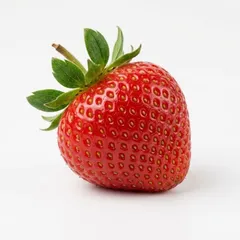
What makes a card right for two.
The CDC'schecklist for two year olds says most children this age point to things in a book when you ask, "like 'Where is the bear?'" and point to at least two body parts. That tells you what a card is for at two. It is a picture to point at and name together.
- One thing per card. A dog. Not a farm with a dog somewhere in it.
- A real photograph. It looks like the dog down the street. Why photographs beat cartoons is in our flash card guide.
- Things from their day. Banana, shoe, bus, nose. Words they can use at breakfast.
- The word in plain, large print. For you to read out. Your child is not reading yet, and does not need to be.
- Big enough to hold. A card a small hand can grab and carry to you is a card that gets used.
Printable, boxed or app.
Each kind is good at something different. Many families end up with two of the three.
| Printable | Boxed | App | |
|---|---|---|---|
| Cost | Paper and ink. Ours are free to download. | One price for the box. It varies by set. | From free to a subscription. Read the listing. |
| In a toddler's hands | Plain paper tears. Card stock or a laminator helps, and a lost card can be printed again. | Thick board lasts. A lost card stays lost. | Nothing to tear, chew or lose. |
| Sound | You say the word. | You say the word. | The app says it, the same way every time. |
| Best for | Trying a topic, and picking only the cards your child cares about. | Everyday handling, sorting on the floor, the diaper bag. | Hearing each word clearly, and many more pictures than a box holds. |
| Watch for | Busy clip art, and tiny pictures packed twelve to a page. | Sets made for older children: sight words, sums, long alphabet decks. | Ads, weekly subscriptions, and screens that never stop moving. |
We have not ranked boxed sets by brand. We could not check every box's current contents and price ourselves, so we would rather give you the checklist above than a ranking we cannot stand behind. In a shop, open the box if you can and look at three cards. For apps, we did the checking: see ourcomparison of flash card apps for toddlers.
Six sets to start with.
Start with things your child can see, touch or eat. These six are free to print, with real photographs, four cards to a page and no sign-up.
- Animals: 40 cards, starting with lion, dog, cat, cow.
- Fruits: 35 cards, starting with apple, banana, strawberry, grapes.
- Yummy Food: 40 cards, starting with bread, egg, cheese, milk.
- My Body: 45 cards, starting with head, hair, forehead, eye.
- Vehicles: 30 cards, starting with car, bus, truck, train.
- Things We Wear: 40 cards, starting with jeans, shirt, boots, raincoat.
Letters, numbers and sight words can wait. They are in the full list of 19 printable sets for when your child is ready, and at two there is no rush.
How to use them.
A few cards at a time, for a few minutes, and stop while it is still fun. Say the word. Let your child hold the card. Find the real thing in the room if you can. "Shoe. Where are your shoes?" Name first. Asking "What's this?" is fine too, as long as you then say the word yourself and add a little, like "A cow. A big brown cow," and move on.
The longer version, including when a picture book is the better choice, is inhow to use flash cards with toddlers.
Do you need flash cards at all.
No. A two year old learns words from you talking, from books and from the day itself. Cards are just a handy stack of pictures to talk about. If your child would rather look at a book, or at the actual dog, that is the better lesson.
Every child moves at their own pace. If you have a question about how your child is talking or learning, your pediatrician is the right person to ask. Nothing on this page is medical advice.


